When clients walk into a freshly cleaned commercial space, they notice spotless floors, polished surfaces, and a crisp, clean feel—but rarely do they consider the equipment that made it possible. Commercial cleaners rely on specialized tools designed for efficiency, safety, and consistency, many of which operate quietly in the background or are used after hours. This unseen equipment is essential for meeting professional standards that go far beyond what typical household tools can achieve. The absence of visible machinery doesn’t mean simple methods were used; it means the right tools were applied at the right time.
Industrial Vacuums and Filtration Systems
One of the most important pieces of equipment commercial cleaners use is industrial-grade vacuum systems. These machines are far more powerful than residential vacuums and are often equipped with HEPA filtration to capture microscopic dust, allergens, and debris. While clients only see clean carpets and dust-free floors, these vacuums are working behind the scenes to improve indoor air quality as well as appearance. Many are designed to operate quietly and efficiently, allowing cleaners to work without disrupting daily business operations.
Floor Machines Built for Durability
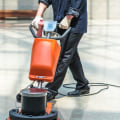
Commercial floors endure constant foot traffic, spills, and wear, which requires equipment designed for heavy use. Floor scrubbers, buffers, and polishers are commonly used in offices, retail spaces, and medical facilities, yet clients rarely see them in action. These machines use rotating pads, controlled water flow, and precise pressure to deep-clean and restore flooring without damaging finishes. Their size and power allow large areas to be cleaned evenly and quickly, delivering results that manual mopping simply cannot match.
Specialized Tools for Hard-to-Reach Areas
Many of the tools commercial cleaners rely on are small, specialized, and easy to overlook. Extension dusters, narrow crevice tools, and angled brushes are designed to reach vents, corners, fixtures, and high-touch points that collect dirt but are often missed. These tools allow cleaners to address buildup in places clients may never inspect directly but would notice if neglected. It’s this attention to hidden details that separates professional cleaning from surface-level tidying.
Chemical Application and Dispensing Systems
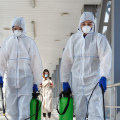
Another unseen element of commercial cleaning is how cleaning solutions are applied. Professional cleaners often use calibrated dispensing systems that dilute chemicals precisely, ensuring effectiveness without waste or residue. Electrostatic sprayers, for example, are used to evenly coat surfaces with disinfectants, wrapping around objects and reaching areas traditional sprays cannot. Clients may only notice that a space feels sanitized and fresh, unaware of the advanced equipment used to achieve that level of coverage safely and efficiently.
Maintenance and Safety Equipment
Commercial cleaning also depends on equipment designed to protect workers and maintain consistency. Color-coded microfiber systems prevent cross-contamination, while ergonomic tools reduce strain during repetitive tasks. Equipment carts are organized to streamline workflows, allowing cleaners to move efficiently through a space without clutter. Companies like Impact invest heavily in this behind-the-scenes infrastructure because reliable equipment directly affects quality, safety, and long-term results.
Why Clients Rarely See the Tools
Most commercial cleaning happens outside of business hours, which means clients experience the results, not the process. Equipment is stored discreetly, used efficiently, and removed without disrupting the environment. This invisibility is intentional—it reflects professionalism and respect for the client’s space. The goal is not to showcase machinery, but to deliver consistency and cleanliness without intrusion.
Results Powered by What Stays Hidden
The equipment commercial cleaners rely on—but clients never see—is the backbone of professional cleaning services. From powerful vacuums to precision dispensing systems, these tools work quietly to maintain health, appearance, and functionality. While invisible to most clients, they are essential to delivering the clean, safe, and polished environments businesses depend on every day.